
La Cage aux Folles: Fritz'n'Barry
How Stephen Sondheim, Gallagher’s Steakhouse, and Sandy the Dog helped form La Cage’s producing team

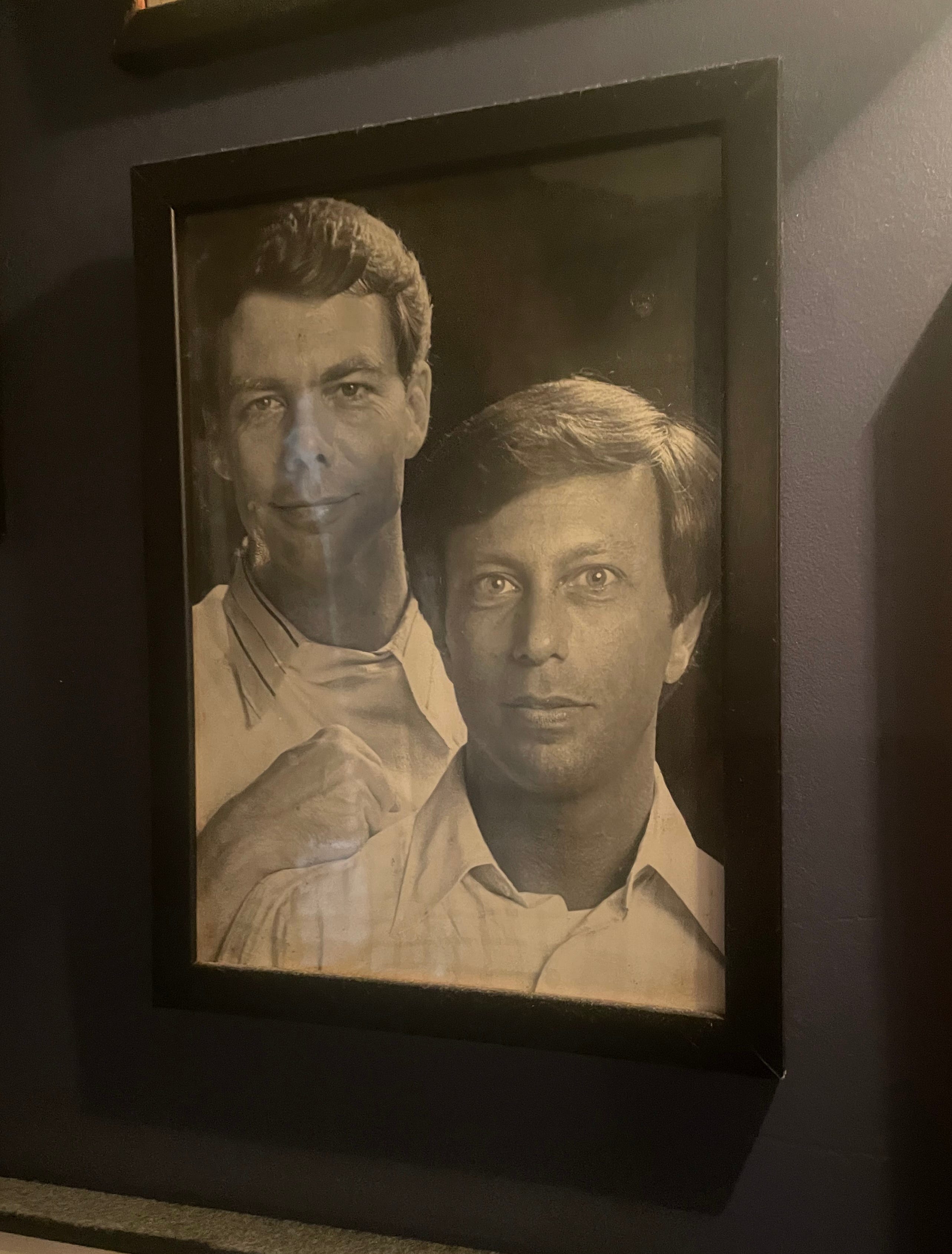
In celebration of the new City Center revival of La Cage aux Folles and Pride Month, I’m currently spotlighting two queer men connected to La Cage. Last week I wrote about William Thomas, Jr., the first Black actor involved with the show. This week, I’m looking at Barry Brown, the show’s co-executive producer, whose work on HIV/AIDS fundraising helped laid the groundwork for Broadway Cares/Equity Fights AIDS. More background on La Cage here.
If you ever visit the legendary Broadway hangout Joe Allen’s on West 46th Street, you may notice a little alcove just beyond the bar with a couple tables and walls filled with photos. Much of the art in Joe Allen’s consists of posters of Broadway shows that didn’t succeed, which I always think of as a sign of real appreciation for the incredible effort, craftsmanship, and sacrifice that goes into putting on any show.
But in this one nook in the back the walls are instead filled with black and white and color photos. Some are actors or people involved in the theater. But many aren’t recognizable. “These aren’t all famous people,” a waiter told me recently. “They’re friends of Joe Allen. But if you’re friends of Joe Allen, you’re going places.”
Amongst Joe’s friends is a photo of two men looking directly into the camera. There’s a combination of confidence and wonder about them, and the photo almost has the feeling of a record cover from an accomplished duo.
Which is all kind of a propos. Because over the course of their careers these two men, Barry Brown and Fritz Holt, stage managed and/or produced some of Broadway’s most admired musicals, including Follies, Company, multiple productions of Gypsy, and La Cage aux Folles.
Born in San Francisco to George and Leah Holt, George William Holt III—nicknamed “Fritz” by his father—studied at the University of Oregon, then moved to New York, where he was assistant stage manager at the Mineola Playhouse on Long Island. At the time, the theater had only recently opened. Its first production, around the time that Holt started there, starred Liza Minelli through in Carnival! Jan. 28, 1964-March 22. The next brought her back to costar with Elliot Gould in The Fantasticks, Sept. 22, 1964—Oct. 11.
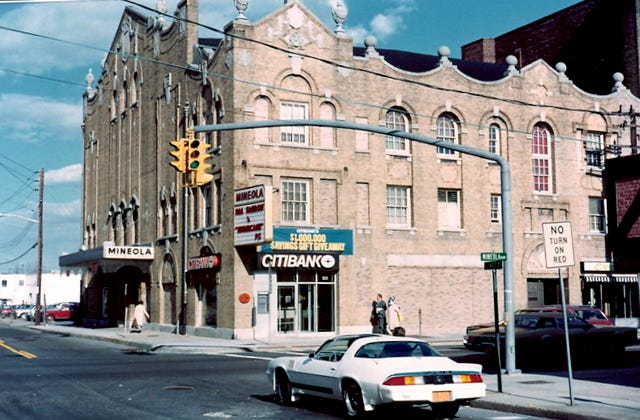
A little over a year later, from April 11-May 7, 1966, Sandy Duncan played Wendy there in the touring company of Peter Pan . Chita Rivera came through in September to play Jenny in Threepenny Opera. Holt actually had a role in the show as the Constable.
A year later he played one of the deputies in the world premiere play The Genius Farm, which starred Marni Nixon and ran from Aug. 16-28, 1965, before being hired away by Hal Prince to assistant stage manage the touring company of Cabaret. He would go on to serve as Prince’s Broadway stage manager for the 1969 play Indians, then as production stage manager for Prince on Stephen Sondheim’s Company and Follies.
It was through Sondheim that Holt first met Barry Brown, a young record executive at BMI who had a deep connection of his own to Broadway.
This interview has been edited and condensed for clarity.
Barry Brown: My dad worked at Chappell Music, going to all these openings and he brought the cast albums home every time. He had a stable of like 5 writers who were really his responsibility. It was the Gershwins, Cole Porter, Lerner & Loewe, Rodgers & Hammerstein, and Jule Styne. That’s who he took care of. Lee and Ira Gershwin became my honorary godparents when I was like 10 or 11 years old.
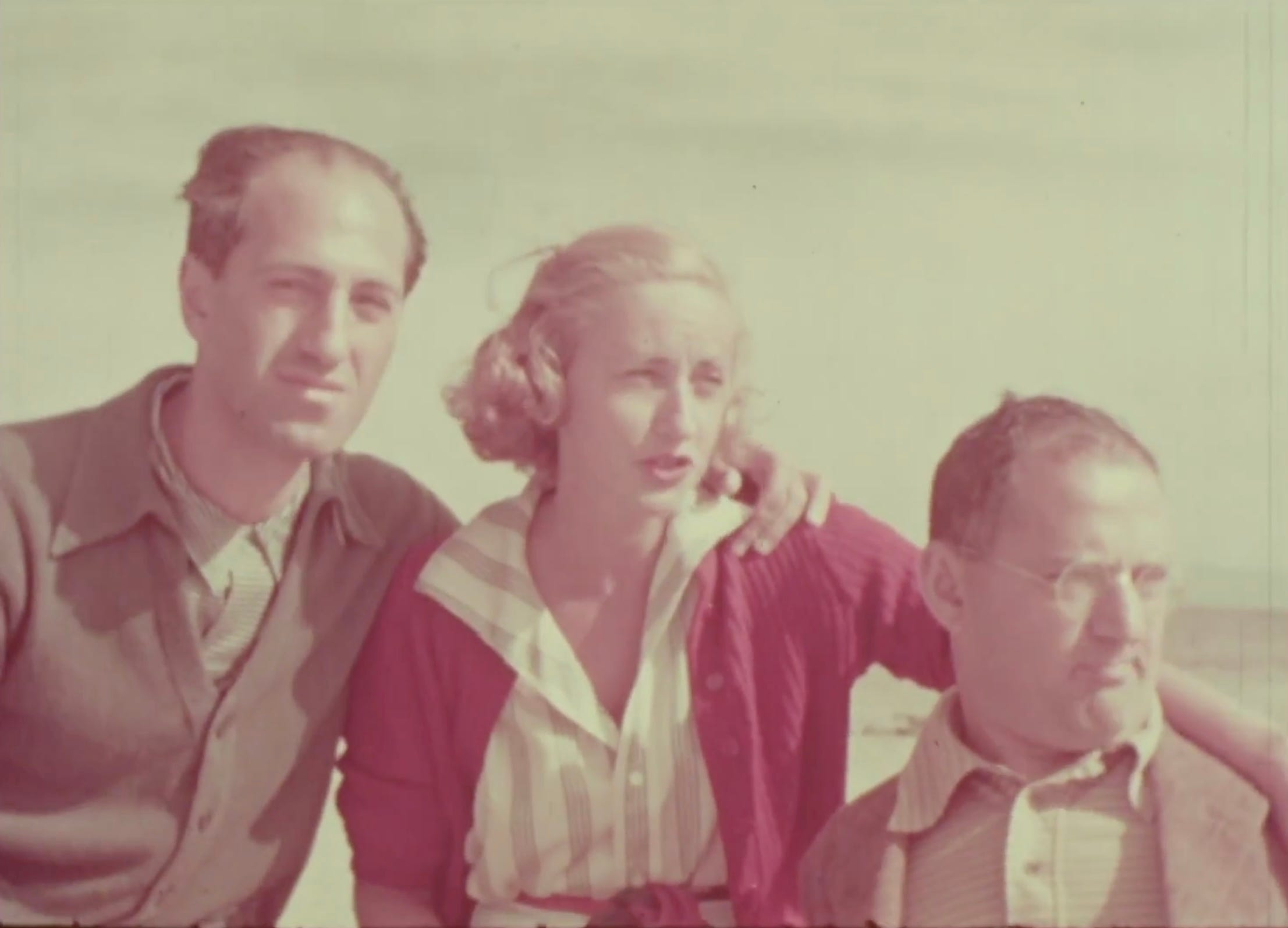
Between my father and Ira, nobody was every surprised I went into theater, except me!
How did you and Fritz meet?
Steve Sondheim and I were good friends. When Follies was up in Boston, I went up for a weekend to see him. But the weekend I went up, it turns out they were replacing one number with another number and he had to go away and write. He said, I have no time for you. And he turned to the stage manager and said, Barry Brown, this is Fritz Holt. Fritz Holt, this is Barry Brown. Can you please make sure Barry gets in to see the show whenever he wants?
When they came back to town, Fritz and I and close mutual friends would meet up for dinner after the show and stuff. And eventually we became a couple. Through the ‘70s until he died, it was almost like one word, Fritz’n’Barry, or Barry’n’Fritz.
How did the two of you go from record executive and stage manager to producers?
We were in Joe Allen’s one night after Follies. I used to go and hang out in Yvonne [DeCarlo]’s dressing room. It was wonderful. She was a hoot.
Somebody had come to me and wanted to know if I wanted to go to London and co-produce a London version of an off Broadway play called the Last Sweet Days of Isaac, which is a wonderful musical. And I said I was thinking about doing it.
And Fritz said, Really? You’re going to leave your job and go to London and leave everything to do a little off-Broadway show?
He said, Don’t do that. Go to London and produce something. Make a bigger splash. Do Gypsy or something.
I said, I don’t want to do something that’s already been done. And he said, Gypsy’s never been done in London. I said, Fritz, my father publishes the music. I know it has been. He said No no, it hasn’t. I’m telling you, it hasn’t been done.
I didn’t believe him. So I went to the telephone and called Steve. Has Gypsy ever been done in London? He said, No.
I asked, Can you take a break? He used to work at night. He said, Sure. I said, Okay, get out the white wine, Fritz and I are coming over.
So we went over and we explained it. He said, Who are you thinking of to play Rose? We had talked at Joe Allen’s about Angela Lansbury. He said, It’s a great idea. You have my blessing. He turned to me and he said, I would love it if your first one was one of mine. Which was sweet.
I said to Fritz, Great, let’s do it. He responded, I’m not going to London, you are! I’ve got a good job with this man *pointing to Steve*. When I’m finished with Follies I’m going to do A Little Night Music.
I said, Nothing doing. This is your idea. I’m not going to do this by myself.
Steve said, You’re going to have to meet with Arthur Laurents before you do anything else. I’ll call him and tell him. Arthur later told me he hung up the phone with Steve and said, What two tricks is he sending over this time?
So we met with Arthur, and asked would he direct it? And that’s how we did it.
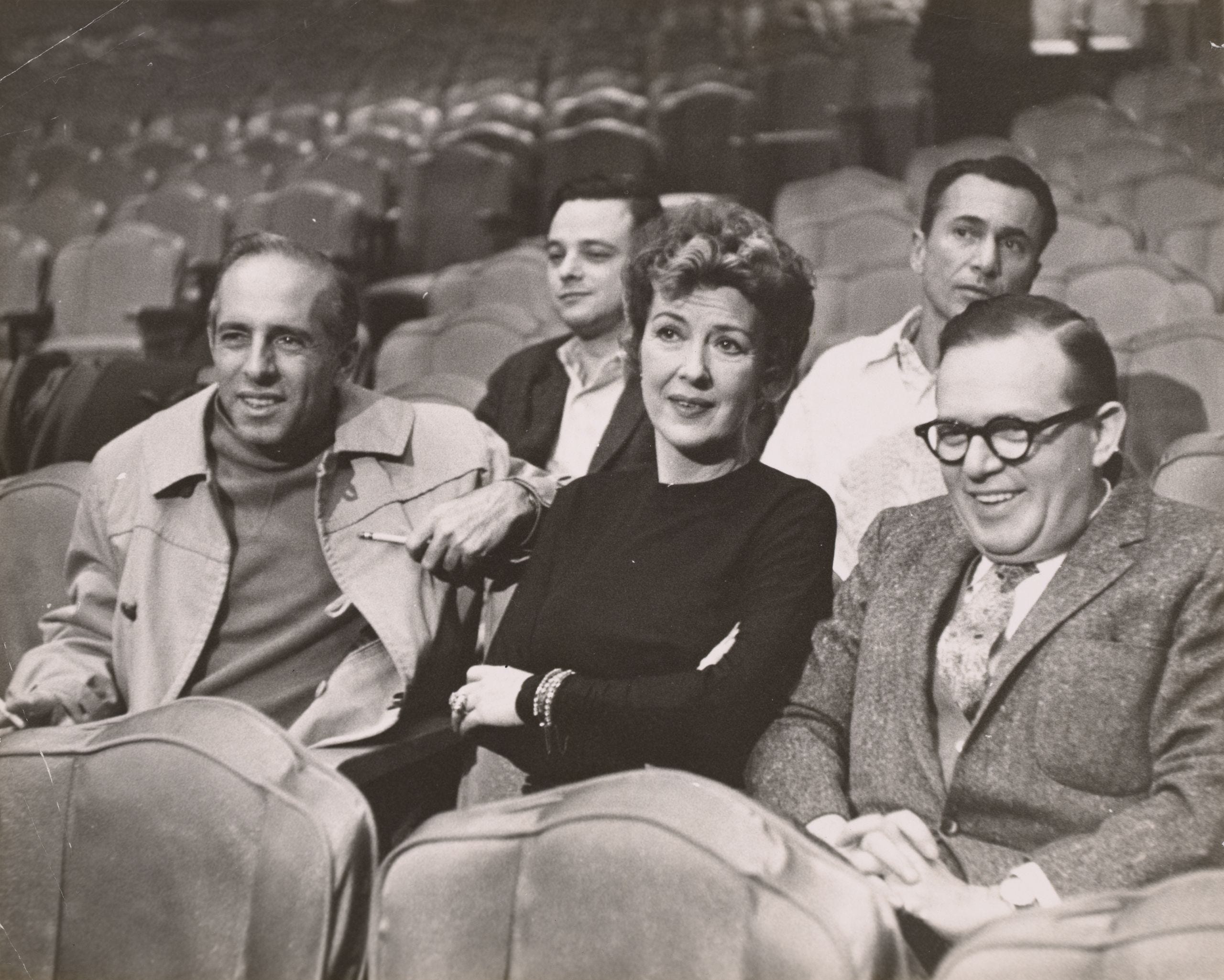
Wow. Stephen Sondheim had quite a role in your lives!
Then we went to London. Angie was on a press junket for Bedknobs and Broomsticks and her agent arranged that if we could get ourselves to London, we could meet with her. We had lunch with her and her husband. And she turned us down. She was in Ireland with the kids and she had pretty much retired to take care of them.
So then we were going to do it with Elaine [Stritch], who Fritz knew intimately from Company. Elaine was madly in love with Fritz. Actually, he saved her life. She would come late to rehearsals on Company, and Hal and Ruth were going to fire her. Fritz said, Don’t do it. She’s going to deliver for you, I promise. I’ll take care of her. And he moved into the same hotel that she lived in in Boston just to make sure.
(I can give you a whole chapter on Elaine Stritch.)
Then Angie got in touch with us and asked, Is the offer still open? And then it came together quite quickly.
What a way to start as producers.
But we couldn’t even raise all the money! We’d never produced before. My parents put in a hundred dollars, Fritz’ parents put in a hundred dollars, that kind of stuff. And the last $90,000 we needed, Angie said, You know my brother’s a producer. He produced Godspell. If you want to meet with him and hist partner, they could probably get the rest of the money for you. And that’s what happened.
And that’s how we became producers. Seriously.
At some point Marvin Krauss became your go-to general manager. How did that happen?
When we first started out, Hal said to us, Get yourself a good general manager and a good attorney and 50% of your work is done. I don’t know who introduced us to Marvin, but when we were doing Gypsy in London, we met him.
He was one of those old-fashioned Broadway types. You know, one of the old boys’ club general managers who sits behind his desk and wheels and deals. If he smoked he would have had a cigar.
When we came back from London to do Gypsy here, Marvin gave us an empty office in his suite of offices. He never charged us rent, just did everything with us and for us. When the show got going we paid him to be the general manager, but I mean, we would hardly have been able to eat if it wasn’t for Marvin.
Really?
Yes. He gave us a home. And this is when the Palace Theatre building was still standing. His offices were in the Palace Theatre building.
By the time we got to La Cage, or even before that, he had moved to the top floors of the Alvin Theatre, now the Neil Simon.
And he had room for you in all these places?
Well, he had an empty room in the Palace Theatre. And when he didn’t really have room in the Alvin, Marvin and Jimmy Nederlander—who owned the Alvin— gave us what was Sandy the Dog’s dressing room during the run of Annie.
That was our office. We had a window facing out onto 52nd Street, and we had a butcher block table. I sat on one side, and Fritz sat on the other. And Marvin’s suite of offices was one floor below. We were running up and down the stairs, backstage at the Alvin, all the time.
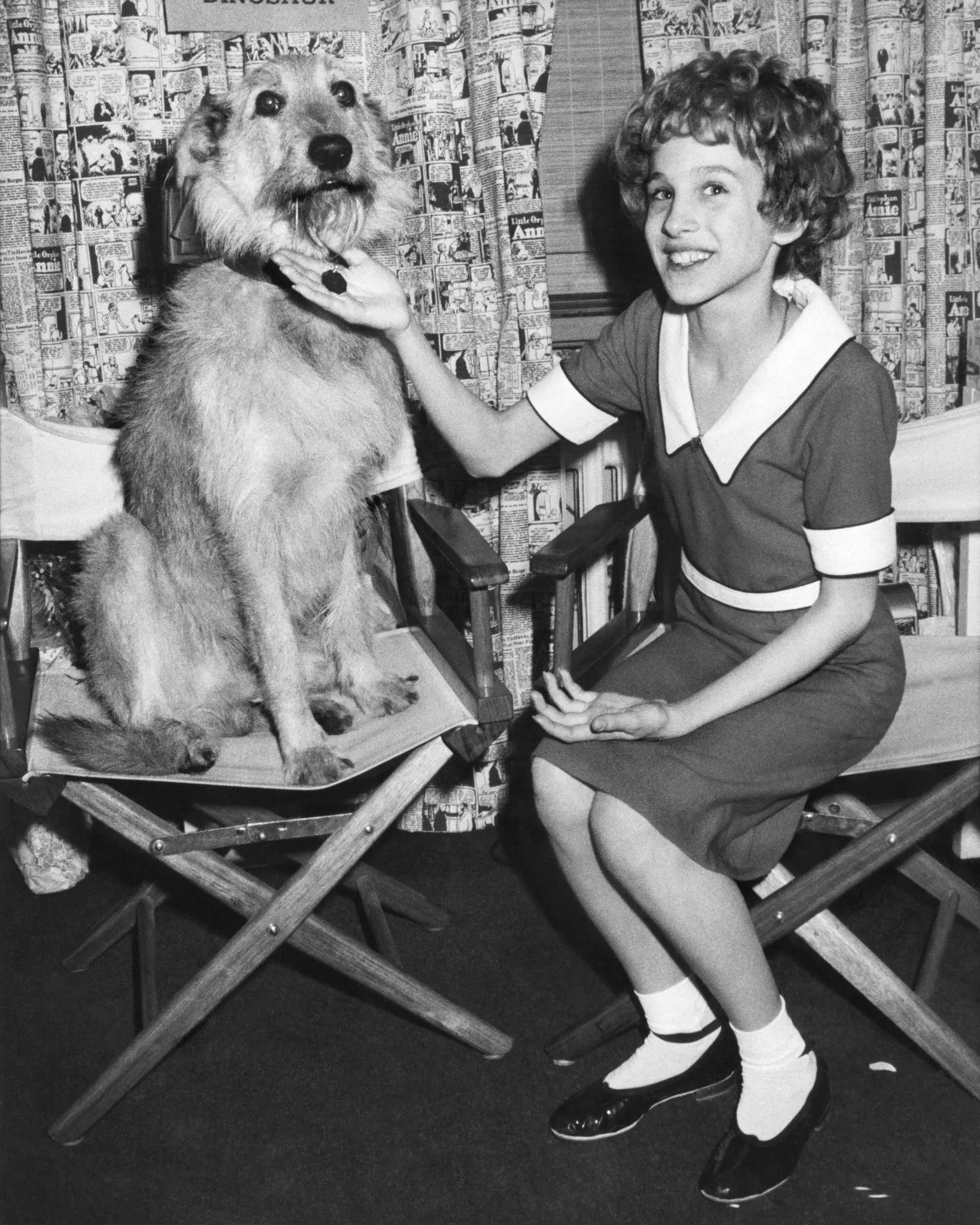
So you really did operate on a shoestring.
It was less than a shoestring! We didn’t pay rent! Because we had nothing.
Between 1974 and 1982, Barry and Fritz would produce 7 shows on Broadway, including Gypsy, Saturday Sunday Morning, Summer Brave, The Royal Family, Platinum, The Madwoman of Central Park West, and Wally’s Cafe. In the middle they also spent two years in Hollywood working for Paramount Pictures, “screening movies and having the time of our lives,” says Brown.
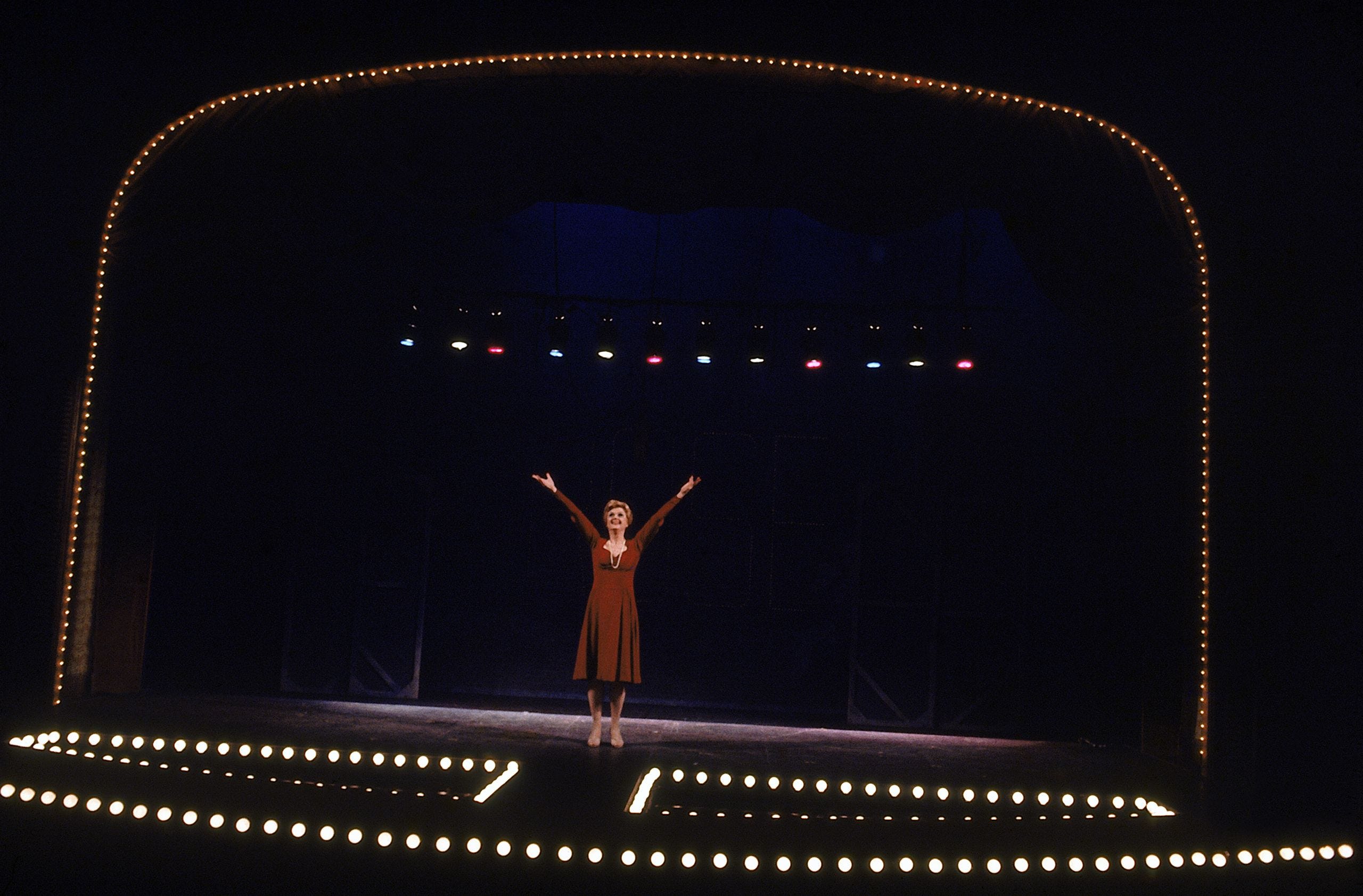
But by 1982, a career change was feeling likely.
Were you already involved with La Cage when it was Jay and Maury and Tommy Tune and Mike Nichols?
Yes and no.
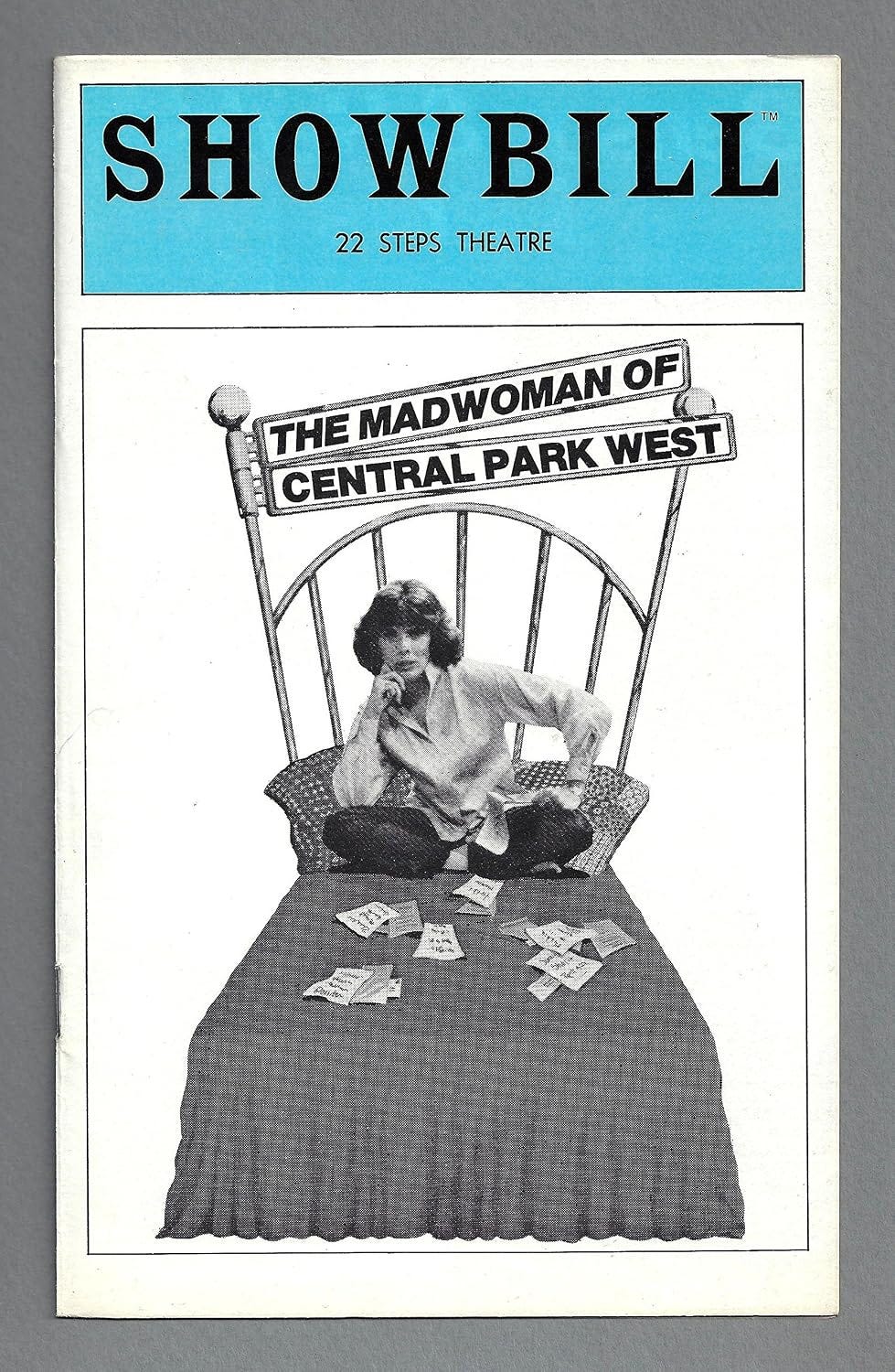
Fritz and I had just come off of three really big flops. Platinum; The Madwoman of Central Park West, a one-woman show with Phyllis Newman that she had written, which we should never have done, but we did it as a favor to Arthur; and Wally’s Cafe, with Jimmy Coco and Rita Moreno and Sally Struthers, which Fritz directed.
We were going to quit business. We had no money. I mean, we had no money. We were having dinner at the bar at Gallagher’s, because they served baskets of homemade French fries, which were the very thick cut potatoes. We would each have a glass of white wine and that basket of potatoes was our dinner. We had no money.
And Allan Carr came to us and offered us $10,000 if we would executive produce La Cage and get it going. For whatever flops and hits we had, and we had a lot of flops, our reputation was that we got shows on.
Did you know Allan already? Had you worked together?
We’d not worked together, but when we lived in LA for a couple years at the end of the ‘70s, somehow or other we got to know him. So yeah, we knew him. We weren’t pals, but we knew him.
By the way, Allan did not pay us a $10,000 fee, being Allan. He gave us a $10,000 advance. A big difference.
So this was at about the time that he was about to lose the rights, yes?
Yes. He sent us to Paris, and I spoke enough French that I could do some good over there. And we renewed the rights [with the original playwright Jean Poiret].
We had an extremely close friend, a Parisian, very well connected. He was a count. You know near the beginning of Auntie Mame, when she and Vera are running around her bedroom pulling things out of her closet to get dressed, because Mr. Babcock was downstairs waiting for her?
Yes.
At one point Vera grabs something out of the men’s closet and Mame says, Put that back, I’m not putting on my brand new $500 Maggy Rouff. Maggy Rouff was a designer who designed only one-off pieces for the very wealthy. And she was this guy’s grandmother.
We imposed upon him to talk to Poiret’s agents or lawyer and let him know that the show was going to take a different direction and could he see his way clear to renewing the rights. And they did.
But the show was still with the original team?
At this point, it was Jay Presson Allen on book, Maury Yeston on score and lyrics, Michael Smuin was the director—Mike Nichols had already gone.
We worked on it for a couple of months with them, then Fritz and I looked at each other and said, This is such a great idea for a musical, but this is not working for us. First of all, Jay Presson Allen had changed the locale from Saint-Tropez to New Orleans, and her title was The Queen of Basin Street. And there were things in the script that I thought were very offensive.
Such as?
The first line of the script is “The apartment is furnished in early faggot.” We took some umbrage at that.
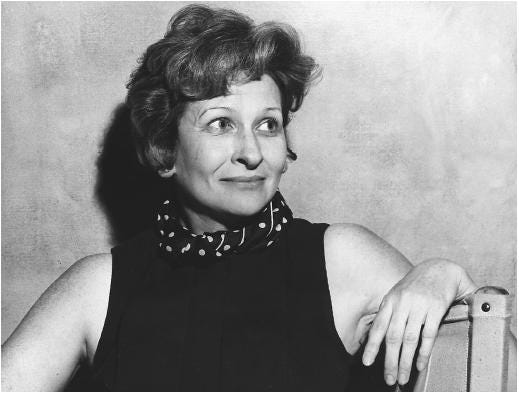
So we went to Allan and told him, Somehow, someday we’ll pay you back, but this is not for us. We’d love to, thank you, but you know, if you don’t believe in something you can’t spend years of your life with it. We couldn’t, anyway.
And he said, No no no no. What would you do? What do you want to do?
And we came back to him and said, Go home to Beverly Hills and let us put this together the way we would do it from a fresh start. Give us three months. We won’t do anything, obviously, without your approval.
And to his credit, and very unlike Allan, he did.
Then Fritz and I looked at each other and went Alright, now what the fuck do we do?
Next: What Fritz and Barry do (including, the Director Discussion)